You often hear about the benefits of
tea; however, not all teas are equal in terms of their beneficial
effects. Green tea is well known and is, of course, rich in
antioxidants, yet it’s not the only beneficial option. Known as one of
the most ancient medicinal herbs, chamomile is packed with flavonoids
and terpenoids, targeting a wide range of health ailments.
Consume this potent tea on a daily basis in order to benefit from the following nine health effects.
Benefit #1: Reduces inflammation
For those of you who take NSAIDs,
or non-steroidal anti-inflammatory drugs, chamomile tea may offer
similar benefits. Numerous studies have identified this herbal tea’s
ability to decrease inflammation, preventing associated conditions. It
has also been known to reduce swelling caused by inflammation due to
allergies.
Within one 2011 study, chamomile was
studied based on its ability to heal ulcers in rats. Inflicted with a
small five millimeter wound on their tongues, rats in the experimental
group were treated with a chamomile ointment, whereas the control group
wasn’t treated at all. It was found that chamomile had a positive
influence on collagen production and the regrowth of tissue, while
decreasing overall inflammation.
Benefit #2: Lessens migraines
Migraine headaches can be so
overwhelming that you can’t do anything by lie in a dark room. If you
can relate, you know how painful they can be. Although no complete
treatment has been developed yet, chamomile has been studied as
potential alternative remedy. Based on its flavonoid and chamazulene
content, chamomile is believed to target pain while inhibiting
pro-inflammatory biomarkers.
Benefit #3: Boosts immune function
For centuries, individuals feeling
ill have consumed chamomile tea in order to target common colds and
other ailments caused by decreased immune function. Researchers have
found that drinking chamomile tea is followed by a significant increase
in urinary hippurate, which is a breakdown product of plant-based
compounds called phenolics. Phenolics have been linked to antibacterial
activity — boosting immune function so that your body can naturally
fight infections.
Benefit #4: Soothe upset stomach
Although an upset stomach may be
triggered by a number of conditions or contributing factors, poor
digestion often plays a role. Chamomile tea has the ability to relax and
soothe the muscle lining within your digestive tract, blocking
chemicals that can cause spasms. Throughout literature, chamomile has
been used to treat digestive conditions, upset stomachs, ulcers,
gastrointestinal irritation and flatulence.
Benefit #5: Induce sleep
Traditionally, chamomile tea and chamomile essential oil have been used to treat insomnia
because of its calming effects. It’s believed that this herb can be
used as a mild tranquilizer, inducing sleep, based on the flavonoid
apigenin. This compound binds to benzodiazepine receptors in the brain,
yielding hypnotic and sedative effects.
Benefit #6: Targets menstrual cramps
Ladies, you know that menstrual
cramps can leave you crouched over in pain as you try to massage out the
“knots” of being a woman. While drinking chamomile tea, urinary levels
of glycine increase. This amino acid is believed to target muscle
spasms. In turn, it’s believed to relax the uterus, reducing those
crippling cramps.
Benefit #7: Allergies
Hay fever is a common allergy that is
caused by dust or pollen, causing inflamed, itchy eyes and a runny
nose. Research shows that chamomile extract offers powerful
anti-allergenic effects. It’s believed to inhibit the release of
histamine, which is what causes problematic symptoms. A 2011 study
reported that effects were dose dependent, with higher doses yielding a
stronger effect.
Benefit #8: Anxiety and panic attacks
Anxiety, panic attacks and even
depression have been successfully treated with a remedy of chamomile
tea. Chamomile yields two key chemicals, luteolin and apigenin, so one
to three cups of chamomile tea daily may promote relaxation, reducing symptoms of anxiety.
One double-blind study, published in the Journal of Clinical Psychopharmacology,
found that chamomile extract offered anxiolytic effects in patients
with mild to moderate general anxiety disorder. In fact, after eight
weeks, symptoms of anxiety were reduced by 50 percent.
Benefit #9: Wounds and burns
From scrapes and infected wounds to
burns, chamomile is known to accelerate healing while targeting
infections. In order to treat wounds, create a salve using steeped
chamomile flowers and coconut oil. Consuming chamomile tea on a daily
basis will also help heal wounds from the inside out.
One key note to remember is that when
brewing tea, some of the flower’s volatile oils can be lost through
steam. This is why it’s recommended that you brew your tea within a
covered container or pot. When brewing from chamomile flowers, you can
also eat them after you’ve brewed your tea in order to reduce waste and
benefit your health even further.
—Krista Hillis
Thursday, April 21, 2016

17 Foods To Supercharge Your Metabolism
Despite what you may have heard, the
speed of your metabolism isn’t a direct product of your genes. Lifestyle
and habits actually play a huge role in whether your metabolism is
working for you — or against you. Habits like exercise, eating more
protein, and incorporating more warming spices and herbs
into your diet have all been shown to give your metabolism a boost. But
if you really want to supercharge your metabolism, there’s nothing that
will produce better results than eating a nutritious diet full of
unprocessed fruits and vegetables. Here are 17 foods you’ll want to eat
regularly to keep your metabolism revved up and ready to burn.
Apples
Eating an apple every day may do more than keep the doctor away. In fact, a study from Rio de Janeiro State University found that eating three small apples a day greatly increases metabolism and speeds up weight loss. The researchers thought the key to this discovery might be fiber, which can slow the intake of dietary sugar and make you feel fuller longer. Apple peels also contain pectin, a specific type of fiber that not only helps to flush out toxins, but also limits the amount of fat your cells can absorb.
Asparagus
Asparagus is particularly high in B vitamins, which play a key role in metabolizing sugar and starches. This spring veggie is also a rich source of the antioxidant glutathione, a compound that helps your body to break down and eliminate harmful carcinogens like free radicals.

Avocado
This heart-healthy fruit, considered by some nutritionists to be the perfect food, is packed with oleic acid, which reduces inflammation. And everything in your body works better when there is less inflammation — including your metabolism. Research on avocados also suggests that this “alligator pear” — as the Spanish originally called them — can make you feel fuller for much longer than other foods.

Berries
Fresh berries contain chemicals called anthocyanins, which according to studies, may help with fat metabolism and reduce weight gain. Berries also help with the release of hormones that reduce inflammation and lower blood sugar levels, both of which are crucial for keeping your metabolism working efficiently.

Broccoli
This all-around super veggie is not only high in B vitamins to keep your metabolism roaring, broccoli is also packed with fiber and water — an important combination for your body’s ability to burn fat quickly and digest food efficiently. Cruciferous veggies like broccoli are also high in vitamin C, which helps keep things moving steadily through the digestive tract.

Cabbage
This leafy green sister of broccoli and cauliflower boasts the same healthy, metabolism-boosting B vitamins that these other cruciferous superfoods contain. Ferment cabbage into sauerkraut to up your intake of probiotics, which also provide a powerful digestive and metabolic punch.

Carrots
Not only are carrots high in fiber, but certain compounds in carrots also help the liver to flush out environmental toxins and chemicals from the body. This is important because certain toxins can build up in the body, which can slow down your metabolism and prevent weight loss.

Cauliflower
Packed with nutrients and very versatile, cauliflower makes a great substitution in meals that are typically high in unhealthy, processed carbs that leave you — and your metabolism — feeling tired and sluggish. Rice, couscous, macaroni and cheese, pizza crust and even bagels can all be made with cauliflower instead of grains. Your waistline and energy levels will thank you.

Celery
There is a reason celery is known as one of the “quintessential” diet foods: it’s great for boosting the metabolism and weight loss. Celery is a thermogenic food, which means our bodies burn more calories to chew up and digest a piece of celery than the stick of celery actually contains. Pair celery sticks with a healthy nut butter to stay fuller longer.

Cucumbers
Hydrating and fibrous, cucumbers are another thermogenic food with a “negative calorie” effect. However, this isn’t the only way they boost your metabolism. Cucumber seeds actually have a stimulant effect on your body, which can speed up metabolic rates. Cucumber’s high levels of sulfur and silicon may also support the body’s ability to burn fat efficiently.

Garlic
Not only is garlic the ultimate immune-supporting herb (it zaps unwanted bacteria, fungi and viruses), it’s also great for your metabolism. Garlic lowers cholesterol, reduces fat cells in the body, and is linked to lower blood sugar levels and weight loss. This amazing herb also has a thermogenic — or heating effect — which tells your body to burn more calories.

Grapefruit
Grapefruit is well known as one of the top “weight loss” foods we can turn to when our clothes begin to feel a little too tight, but not many people know the explanation behind the reputation. Grapefruit contains a unique antioxidant called naringenin, which researchers at the Scripps Clinic in California found to help the body use insulin more efficiently, keep blood sugar levels balanced, and improve the body’s ability to burn fat.

Lemons
You’ve probably heard that starting your day with a glass of lemon water is a great way to kick-start your metabolism, but do you know why? Drinking lemon water before meals lowers blood sugar peaks by about 10 percent, which reduces the likelihood that your body will store carbohydrates and sugars as fat. Plus, lemon water helps to detoxify your liver, and a healthy liver keeps your metabolism running optimally. You can drink lemon water plain, or you can give your metabolism an extra boost by adding cayenne pepper.

Raw nuts
Including raw nuts in your diet, especially almonds, is wonderful for your metabolism and waistline. Studies show that when your body digests protein, it burns more energy than when it digests carbohydrates or fat. In other words, protein gives your metabolism the biggest boost out of all three macronutrients. Raw nuts are a healthy, vegetarian-friendly way to include more protein in your diet.

Papaya
Papaya contains an enzyme called papain, which helps the body to break down and absorb proteins, supports speedy digestion, and stimulates the metabolism. According to Barbara Simonsohn’s book Healing Power of Papaya, the indigenous people of Central America traditionally ate papaya after heavy meals for this reason.

Pineapple
This spiky tropical fruit isn’t only delicious; it’s also great for weight loss, blood pressure, arthritis relief and many other things — including your metabolism. Its metabolic benefits stem from the unique enzyme bromelain, which helps the body to break down food more quickly and efficiently. Here’s a hint about bromelain: the core of the pineapple actually contains more of this enzyme than the rest of the fruit. So don’t throw it out!

Spinach
According to a Swedish study, spinach is a great food for building lean muscle. This is great news for your metabolism, as the more muscle you have, the more calories your body will burn.

There’s no magic pill when it comes to losing weight and getting fit, but keeping your metabolism working efficiently by eating clean, nutrient-rich foods like these will go a long way in keeping your energy up and your body fat down. Other ways to keep your metabolism revved into high gear include exercising, drinking caffeine (including coffee), getting enough sleep, and eating foods rich in omega-3s.
—Teresa Manring
Apples
Eating an apple every day may do more than keep the doctor away. In fact, a study from Rio de Janeiro State University found that eating three small apples a day greatly increases metabolism and speeds up weight loss. The researchers thought the key to this discovery might be fiber, which can slow the intake of dietary sugar and make you feel fuller longer. Apple peels also contain pectin, a specific type of fiber that not only helps to flush out toxins, but also limits the amount of fat your cells can absorb.
Asparagus
Asparagus is particularly high in B vitamins, which play a key role in metabolizing sugar and starches. This spring veggie is also a rich source of the antioxidant glutathione, a compound that helps your body to break down and eliminate harmful carcinogens like free radicals.
Avocado
This heart-healthy fruit, considered by some nutritionists to be the perfect food, is packed with oleic acid, which reduces inflammation. And everything in your body works better when there is less inflammation — including your metabolism. Research on avocados also suggests that this “alligator pear” — as the Spanish originally called them — can make you feel fuller for much longer than other foods.
Berries
Fresh berries contain chemicals called anthocyanins, which according to studies, may help with fat metabolism and reduce weight gain. Berries also help with the release of hormones that reduce inflammation and lower blood sugar levels, both of which are crucial for keeping your metabolism working efficiently.
Broccoli
This all-around super veggie is not only high in B vitamins to keep your metabolism roaring, broccoli is also packed with fiber and water — an important combination for your body’s ability to burn fat quickly and digest food efficiently. Cruciferous veggies like broccoli are also high in vitamin C, which helps keep things moving steadily through the digestive tract.
Cabbage
This leafy green sister of broccoli and cauliflower boasts the same healthy, metabolism-boosting B vitamins that these other cruciferous superfoods contain. Ferment cabbage into sauerkraut to up your intake of probiotics, which also provide a powerful digestive and metabolic punch.
Carrots
Not only are carrots high in fiber, but certain compounds in carrots also help the liver to flush out environmental toxins and chemicals from the body. This is important because certain toxins can build up in the body, which can slow down your metabolism and prevent weight loss.
Cauliflower
Packed with nutrients and very versatile, cauliflower makes a great substitution in meals that are typically high in unhealthy, processed carbs that leave you — and your metabolism — feeling tired and sluggish. Rice, couscous, macaroni and cheese, pizza crust and even bagels can all be made with cauliflower instead of grains. Your waistline and energy levels will thank you.
Celery
There is a reason celery is known as one of the “quintessential” diet foods: it’s great for boosting the metabolism and weight loss. Celery is a thermogenic food, which means our bodies burn more calories to chew up and digest a piece of celery than the stick of celery actually contains. Pair celery sticks with a healthy nut butter to stay fuller longer.
Cucumbers
Hydrating and fibrous, cucumbers are another thermogenic food with a “negative calorie” effect. However, this isn’t the only way they boost your metabolism. Cucumber seeds actually have a stimulant effect on your body, which can speed up metabolic rates. Cucumber’s high levels of sulfur and silicon may also support the body’s ability to burn fat efficiently.
Garlic
Not only is garlic the ultimate immune-supporting herb (it zaps unwanted bacteria, fungi and viruses), it’s also great for your metabolism. Garlic lowers cholesterol, reduces fat cells in the body, and is linked to lower blood sugar levels and weight loss. This amazing herb also has a thermogenic — or heating effect — which tells your body to burn more calories.
Grapefruit
Grapefruit is well known as one of the top “weight loss” foods we can turn to when our clothes begin to feel a little too tight, but not many people know the explanation behind the reputation. Grapefruit contains a unique antioxidant called naringenin, which researchers at the Scripps Clinic in California found to help the body use insulin more efficiently, keep blood sugar levels balanced, and improve the body’s ability to burn fat.
Lemons
You’ve probably heard that starting your day with a glass of lemon water is a great way to kick-start your metabolism, but do you know why? Drinking lemon water before meals lowers blood sugar peaks by about 10 percent, which reduces the likelihood that your body will store carbohydrates and sugars as fat. Plus, lemon water helps to detoxify your liver, and a healthy liver keeps your metabolism running optimally. You can drink lemon water plain, or you can give your metabolism an extra boost by adding cayenne pepper.
Raw nuts
Including raw nuts in your diet, especially almonds, is wonderful for your metabolism and waistline. Studies show that when your body digests protein, it burns more energy than when it digests carbohydrates or fat. In other words, protein gives your metabolism the biggest boost out of all three macronutrients. Raw nuts are a healthy, vegetarian-friendly way to include more protein in your diet.
Papaya
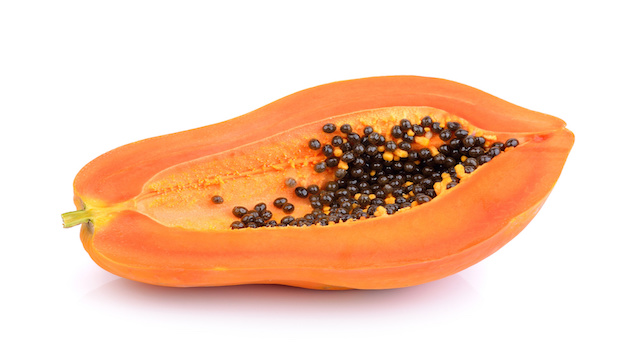
Papaya contains an enzyme called papain, which helps the body to break down and absorb proteins, supports speedy digestion, and stimulates the metabolism. According to Barbara Simonsohn’s book Healing Power of Papaya, the indigenous people of Central America traditionally ate papaya after heavy meals for this reason.
Pineapple
This spiky tropical fruit isn’t only delicious; it’s also great for weight loss, blood pressure, arthritis relief and many other things — including your metabolism. Its metabolic benefits stem from the unique enzyme bromelain, which helps the body to break down food more quickly and efficiently. Here’s a hint about bromelain: the core of the pineapple actually contains more of this enzyme than the rest of the fruit. So don’t throw it out!
Spinach
According to a Swedish study, spinach is a great food for building lean muscle. This is great news for your metabolism, as the more muscle you have, the more calories your body will burn.
There’s no magic pill when it comes to losing weight and getting fit, but keeping your metabolism working efficiently by eating clean, nutrient-rich foods like these will go a long way in keeping your energy up and your body fat down. Other ways to keep your metabolism revved into high gear include exercising, drinking caffeine (including coffee), getting enough sleep, and eating foods rich in omega-3s.
—Teresa Manring
9 Ways To Stick To Your Workout Routine
Regular exercise is very important.
And when you’re in “the zone” and having a great workout, it can be very
exhilarating. But what about the days when you’re just not excited
about it? How do you keep your motivation from plummeting? Here are a
few tips:
Variation
For a lot of us, doing the same workout day in and day out can feel very repetitive, and it can get old fast. So try mixing it up. Maybe you jog a few days a week, then you do yoga for a few days. Even if you want to stick with the same kind of workout every day, there are still ways to add variety. If you’re a jogger, try a new route. If you lift weights, try a new machine or a different exercise. Do whatever keeps you interested. Have the right attitude
When working out feels like something we’re obligated to do — and when we start to feel guilty when we don’t do it — then it’s difficult to maintain our motivation. Exercising doesn’t have to feel like doing your taxes. If you approach it with the right attitude, it can be something you take pleasure in and genuinely want to do. Yes, there will always be those days when we’d rather hit the snooze button instead of hitting the gym. But if you remind yourself that you’ve created a workout routine because you love and respect yourself enough to care for your body, you’ll be much more likely to stay on track.
Listen to your body
This one goes along with having the right attitude. If you start to view exercise as an obligation, one of two things is likely to happen. As discussed above, you may just lose interest. Or, you may push yourself even harder because you feel like it’s something you’re “supposed” to do. You may continue pushing your body even if you’re exhausted or injured. And eventually, this is likely to cause burnout, too. So pay attention to how your body feels, and don’t be afraid to be gentle with yourself.
Ditch the self-criticism
The reality is, life happens. Sometimes things come up and we just don’t have the time to work out on a particular day. Don’t guilt trip yourself about that. And even if it has been years since you’ve exercised, don’t get down on yourself. Just start where you’re at and do the best you can. Being critical of yourself will only sabotage your efforts.
Make it fun
A great way to keep yourself interested in your workout routine is to find little ways to make it fun. If you’re a jogger, create a playlist of your favorite songs. If having a workout buddy makes exercising more enjoyable for you, reach out to a friend who may be interested. There are even people who do parkour dressed as superheroes! Working out doesn’t need to be boring.
Get support
Sticking with a workout routine is much easier when you have people around you who recognize your hard work and accomplishments. So tell your friends and family about your efforts. Join online groups of like-minded people looking to get in shape. Starting and maintaining new habits isn’t always easy, and having a network of cheerleaders can go a long way.
No more negativity
It’s easy to fall into the same mindset of the people we spend the most time with. If there are people in your circle who have a negative attitude, try to minimize the time you spend with them; or at the very least, try to avoid talking to them about your exercise routine. If you have a coworker who has given up on trying to improve their own health, that cynicism could rub off on you. Don’t let the negativity and frustration rub off on you and your ability to maintain a healthy lifestyle.
Reward yourself
Set goals and treat yourself when you reach them. These don’t have to be extremely difficult goals. You don’t need to be running a mile in five minutes. Your goal could just be to workout three days a week — and when you do that, find a nice way to remind yourself you did a good job. You can get a massage, go to a spa, or even just carve out a little quiet time for yourself at home to watch a movie or read a book. At the same time, it’s important to listen to your body — don’t feel like you need to push yourself to reach a goal if your body is telling you otherwise.
Make room for change
Our bodies have different needs at different points in our lives. Our dietary and exercise needs change significantly during pregnancy, for example. But it doesn’t have to be something as dramatic as pregnancy for your needs to evolve. A new job with a different schedule can change the amount and type of exercise that feels doable. Remember, the type and intensity of exercise that felt great to you a year ago may not be right for you now. Don’t be afraid to change your routine and experiment with new kinds of workouts.
—Sarah Cooke
Tuesday, April 12, 2016
Eat These Foods Instead of a Multivitamin

If you follow a whole-foods diet and eat a wide variety of vegetables and fruits, you may not need to take an additional multivitamin. Nutrients are best absorbed in their natural form, and while supplements can help replace missing nutrients, you should not depend on them for long-term health.
Seaweed Seaweed is one of the best sources of natural iodine. A large portion of the global population is deficient in iodine, and seaweed is the perfect way to add more to your diet. The U.S. Department of Agriculture (USDA) recommends that adults consume about 150 mcg of iodine daily.
Seaweed like nori, kelp, kombu, and wakame all contain the recommended daily amount or more. Kelp contains up to 1,000 percent more than the recommended daily value for iodine.
Brazil nuts
Brazil nuts are the large, bitter nuts that are usually the last to be eaten from a bowl of mixed nuts. However, they are high in beneficial nutrients. The selenium content in Brazil nuts is off the charts. One single Brazil nut contains about 100 percent of the recommended daily intake for selenium.
In fact, the selenium content in Brazil nuts is so high that if you eat more than a handful per day, you could actually damage your body with too much selenium. So, stick to eating two or three at a time.
Kale
Kale is beloved in health-food circles because it is packed with beneficial nutrients. A serving of kale contains high levels of multiple vitamins and minerals, including vitamins B6, C, and K1, and the minerals iron, potassium, manganese, and copper.
Liver (organic, grass-fed)
Many people don’t like liver and therefore refuse to eat it, but you should. Liver contains more nutrients than any other part of an animal. Liver is high in vitamin B12, iron, folate, copper, and vitamin A. Some experts recommend consuming liver up to two times a week.
Cod liver oil
Cod liver oil used to be given routinely to children as a preventive medicine, and was also used as a punishment for unruly children. Scientific evidence now shows that cod liver oil is beneficial for our health in multiple ways. It is one of the only food sources of vitamin D, and it is also extremely high in heart and brain-healthy omega-3 fats.
Shellfish
Why should you eat shellfish? Shellfish contain high levels of B-vitamins that are difficult to find elsewhere. Vitamin B12 and B6 are present in large amounts in shellfish, which can provide up to 1,600 percent of the recommended daily value, depending on the type of shellfish eaten (clams are particularly high in B12).
Shellfish also contain high levels of iron, potassium, and selenium.
Red and yellow bell peppers
We usually eat green bell peppers because they are cheaper, but the vitamin C levels of yellow and red bell peppers are much higher than those of their green sisters. Getting enough vitamin C is important for immune system function, as well as for muscle health, brain health, and hormone production.
One single red or yellow bell pepper contains about 600 percent of the recommended daily intake for vitamin C.
It’s easy to get enough nutrients if you eat the right foods. Most people don’t have to take a daily multivitamin to remain healthy. If you are worried about maintaining the ideal nutrient balance, eat a variety of whole foods and make vegetables and fruits your largest energy source, followed by high-quality, healthy proteins.
-Brenda Priddy
Easy Budget Fixes That Will Add Value To Your Home

When it comes to home renovations, most people assume that it will cost a pretty penny. While fixing up your house can be quite pricey, the good news is that there are small, cheap things you can do to your house that will automatically increase its appeal.
Revamp Your Kitchen It doesn’t take a full renovation to change your kitchen into a clean, classy space. A nice, updated kitchen is one of the first things buyers look for when home hunting. Fortunately, it takes just a few hundred dollars to turn your kitchen into an attractive selling point.
Replace an old faucet with a sleek, contemporary piece and you automatically make your sink more appealing. Buying new cabinet handles is another way to spruce up an outdated look without replacing your cabinetry. Switching out old, yellowed light fixtures with more modern ones helps brighten your cooking space. Even adding a backsplash can be an easy selling point for your kitchen.
Beautify Your Entryway
Your entryway is one of the first things people will notice about your home. Seeing a neat, inviting entrance is a comforting thing to come home to.
Painting the front door is one of the quickest and cheapest ways to update your entryway. Choose a fun, bright color that looks inviting to the eye, but one that you won’t tire of too quickly. Repainting exterior trim is another quick fix, as is purchasing new outdoor lighting that makes your home pop at night.
Update Your Bathroom
Next to the kitchen, your bathroom is the most important place to fix up when thinking of sellability. And who doesn’t enjoy a pristine, up-to-date bathroom that speaks to cleanliness and style?
Often, the first thing to go downhill in a bathroom is the floor, mostly due to the constant wetness absorbed from bath and shower water. Putting down attractive vinyl flooring is a quick, cheap fix to this problem, one that will make your bathroom look newer and cleaner instantly. You can fix-up your tub by re-grouting or fixing chipped tile, or make a small bathroom look more spacious with the right paint or wallpaper.
Make a DIY Headboard
Is your bedroom sad and uninviting? We often neglect this space because others rarely see it. But having a pleasant bedroom doesn’t have to require new furniture or even a paint job. In fact, it can be as simple as some old planks of wood and a handful of nails.
By building a headboard, you create an appealing space to lay your head. Fortunately, headboards can be made of anything, from pallets to wine corks. You can even use family photos or old skis that have been sitting in your garage since the 90s. Using salvaged materials is a fun, cheap way to update your living space, and you will feel accomplished and satisfied once you see what you have created.
Add Energy-Efficient Windows
According to the National Association of Home Builders, one of the first things homebuyers look for in a home is energy efficiency. Unfortunately, most houses are not eco-friendly, so adjustments to improve on that score can be an important update for your home.
Adding energy-efficient windows is one of the best ways to cater to an eco-conscious home buyers. It will also save you hundreds (even thousands) of dollars a year on your energy bill. It can be a costly undertaking, with full window replacement estimated at an average of $8,000. However, HGTV suggests that you can make back between 60 percent and 90 percent of your costs in energy savings.
Modernize with Molding
One of the quickest ways to make your home look classy and modern is by adding molding or remolding the trim around doorways, floorboards and ceilings. In fact, molding has been around since the Ancient Greeks, who used the decorative tool as a way to add splendor to buildings.
According to the National Association of Home Builders, crown molding is the third most popular decorative feature desired by home buyers. Even more appealing is the fact that that adding this classic look is pretty cheap. If you choose to do it yourself, molding will set your back only $1.50 per square foot, or $8 per foot if you hire someone to do it for you.
Plant Trees
Yes, that’s right. You can help the planet and add value to your home. A study conducted by the Pacific Northwest Research Station of Portland, Ore. found that having trees in front of a home increased it’s value by $8,870, making it an extremely cost-effective addition.
Of course trees are expensive and take a while to mature into a desirable size, but the investment is well worth the trouble. Not only will you add value to your home, but you will save money on cooling bills in the summer by shading your home. Trees also protect your home from sun, rain and wind damage and prevent dangerous erosion from rooftop runoff. So do yourself (and the planet) a favor and get planting!
Fixing up your home might sound like an overwhelming task, but making simple changes to key points in your house can increase its value and add comfort and style to your living space. So don’t be defeated by lack of funds or creativity, Just start small and reap big benefits!
Would you try any of these home improvement tricks? What have you done to modernize your home without breaking the bank?
-Stephanie Catudal
Monday, April 11, 2016
"Eat 4 Peace International Restaurant Days"
 | |||||||||
|


|
|


 |
11 Diseases Caused by Inflammation (9 ways to stop)
If you have ever had a sore throat, rash or a sprained ankle, you have experienced the body’s response: inflammation. In specific cases, for a short period of time, inflammation is what the body naturally does to fight infection, heal injuries and combat irritants.
No brakes
Chronic inflammation is basically like a car rolling down a never-ending hill without brakes; it doesn’t have the ability to stop. So with the inflammation “on” switch stuck, your body thinks that you are in imminent danger even when you’re not. It’s a good thing gone bad, starting perhaps with swelling and scar tissue, that becomes a serious problem over time.
Chronic inflammation is linked to virtually every disease in one way or another. More often than not, it is the eventual signs of inflammation that alert people to the presence of disease. By that time, it has usually been present in the body for a while.
Here are just a few of the illnesses that may result from prolonged or chronic inflammation:
- Alzheimer’s disease. Brain cells may be destroyed by chronically elevated levels of inflammation.
- Congestive heart failure. Chronic periods of inflammation may cause the heart muscle to wear out and waste away.
- Fibromyalgia. Inflammation attacks the connective tissues, leading to pain.
- Asthma. Small cytokines may cause autoimmune reactions to flare up in the lining of the airways.
- Autism. When inflammatory cytokines are released in the brain, it may arrest the development of the right hemisphere.
- Gastroesophageal reflux disease (GERD). The esophagus and digestive tract become riddled with inflammation, most often in response to food sensitivities and pH levels.
- Arthritis. Inflammatory cytokines may cause cellular activity that leads to the destruction of synovial fluid and joint cartilage.
- Neuropathy. Inflammation induces autoimmune reactions that attack the vascular, myelin, and connective tissues, potentially causing nerve irritation.
- Psoriasis. Presence of chronic inflammation levels in the liver and gut may lead to poor natural detoxification and the buildup of irritating substances in the body, which can manifest on the skin.
- Carpal tunnel syndrome. Chronically elevated levels of inflammation may cause shortened tendons in the forearm and wrist, and the excessive muscle tension may result in compressed nerves.
- Celiac disease. Long periods of chronic immune system inflammation may bring about damages to the lining of the intestine.
Drugs are not always the best option
Frequently in Western medicine, doctors treat pain and inflammation with medication. While these drugs may ease pain, they do little to combat the underlying cause and often come with a host of dangerous side effects.
Here are three natural inflammation fighters that work with your body to eliminate inflammation at the root.
Flax (Linum usitatissimum)
For vegans and vegetarians, flax is one of the best sources of omega-3 fatty acids around. These small but mighty seeds are unique in that they are an extremely concentrated source of lignans and inflammation-taming alpha-linolenic acid (ALA). Lignans help cleanse the body with their fiber-like qualities and provide a mega-dose of antioxidant protection. Incorporating flax into your diet will also protect your cardiovascular system, which takes a hard hit from excessive systemic inflammation.
Incorporate organic flaxseed into your favorite baked goods. The ALA in flax maintains its nutritional value even when cooked at oven temperatures for three hours.
Try sprinkling it in soups, salads, dips, shakes, smoothies and more, as it has a neutral flavor. Just be sure to grind your flaxseeds before use because the nutrients become more bioavailable than in whole-seed form. Keep in mind that once the seeds are ground, they go rancid quickly because of the high level of natural fat. Store ground flax in the fridge in an airtight container and use within a few days of grinding.
Turmeric (Curcuma longa)
Orange in color, this ancient spice is part of the ginger family, another incredibly potent herb, and has been used medicinally in India and China for centuries. Turmeric’s two main components, curcumin and curcuminoids, have anti-inflammatory effects so powerful they can be compared to those of the common NSAIDs without the liver-damaging side effect. One study found that using the herb as a pre-treatment for arthritis inhibited its onset and that those already suffering from inflammation-based pain experienced relief when treated with turmeric.
Turmeric can easily be incorporated into most dishes for an added dash of flavor with a bright yellow flare. It can also be taken in capsule form or applied topically via a poultice.
Licorice (Glycyrrhiza glabra)
While the cherry-flavored chewy candy may be the first thing that pops into your head with the mention of licorice, this potent herb may not be as sweet to taste, but it will keep inflammation at bay. Licorice works similarly to the body’s own inflammation-battling corticosteroids when taken orally.
 In fact, one study found that licorice’s anti-inflammatory benefits are comparable to that of the prescription medication diclofenac sodium, and evidence from the study suggests that licorice may be incorporated into a short-term pain-management treatment program.
Adopt an anti-inflammatory lifestyle
In addition to the herbs above, there are a number of ways that you can adopt an anti-inflammatory lifestyle. Doing so will give your body what it needs to stay well and help keep your body’s inflammation response within normal limits, thus reducing the chance that you will develop any serious inflammation-induced conditions.
Get enough quality sleep: Poor sleep can cause our bodies to be more susceptible to inflammation by altering normal levels of cortisol (fight or flight) and insulin. High stress levels are also associated with elevated cortisol levels.
Regular exercise: The right amount of exercise can help us become less susceptible to muscle soreness, essentially working our body into a state of resistance to over-inflammation.
Anti-inflammatory eating
Particular foods and eating patterns are linked with lower levels of inflammatory biomarkers. This diet-inflammation connection might be one explanation for disease protection.
Andrew Weil, MD, director of Integrative Medicine at the University of Arizona, reported at the Annual Nutrition and Health Conference in San Francisco in 2011 that inflammatory status is strongly influenced by diet.
“Most people go through life in a pro-inflammatory state because they eat a modern, industrialized diet, which gives you carbohydrates and fats without all of the protective elements,” Weil said. He reported that a diet including protective foods, such as vegetables, fish and whole grains, offers anti-inflammatory benefits that promote healthy aging and support optimum health at any age.
Optimal diet patterns
To reduce inflammation, follow a diet rich in whole foods, including carbohydrates such as gluten-free whole grains and fruits, fats like nuts, coconut oil and avocados, and protein sources such as fresh-caught fish and legumes.
Evidence confirms that the Mediterranean diet, a traditional diet pattern that focuses on whole plant foods, is linked with lower inflammation and age-related disease risk.
Work with your body
The good news is that it is possible to partner with your body to keep the brakes on chronic inflammation. When you adopt an anti-inflammatory lifestyle, pay attention to the signs and signals that your body is giving you, and recognize how much control you actually do have over your health — it is possible to stop inflammation far before it stops you!
Subscribe to:
Posts (Atom)